

Soundproofing
Soundproof Walls
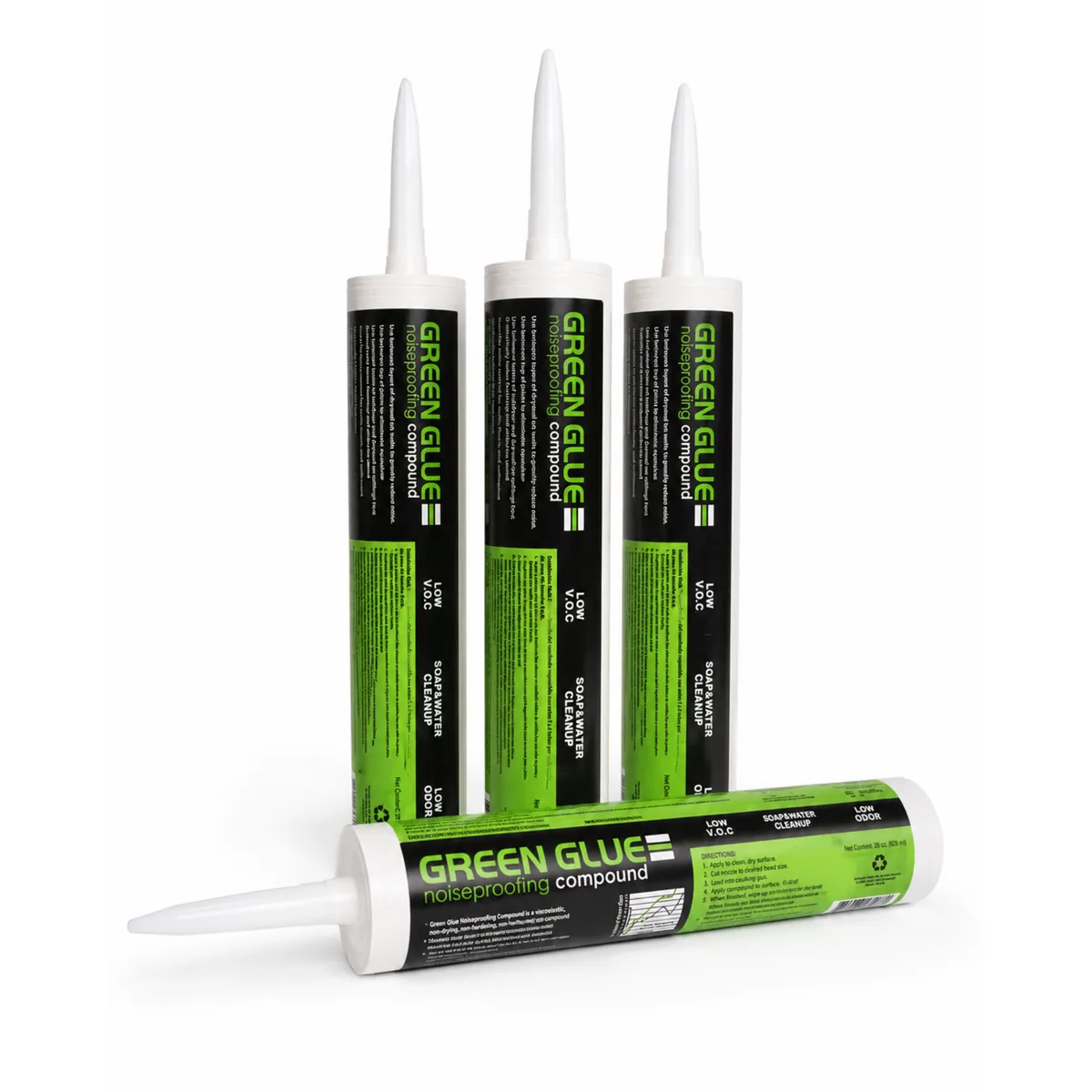
Browse our hand-curated selection of soundproof wall materials, or review our highest-recommended wall assemblies — with layer order, STC ratings, and installation notes.

Step 02
Assembly examples
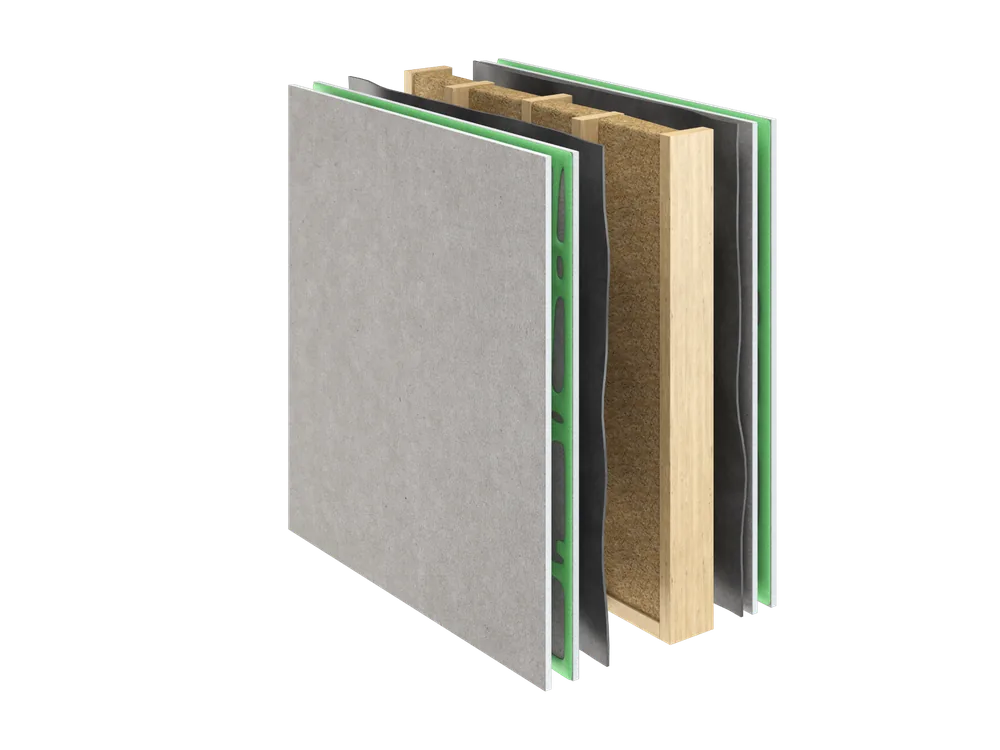
Layer order matters. Compare tested walls systems side-by-side and see how each performs.
Good
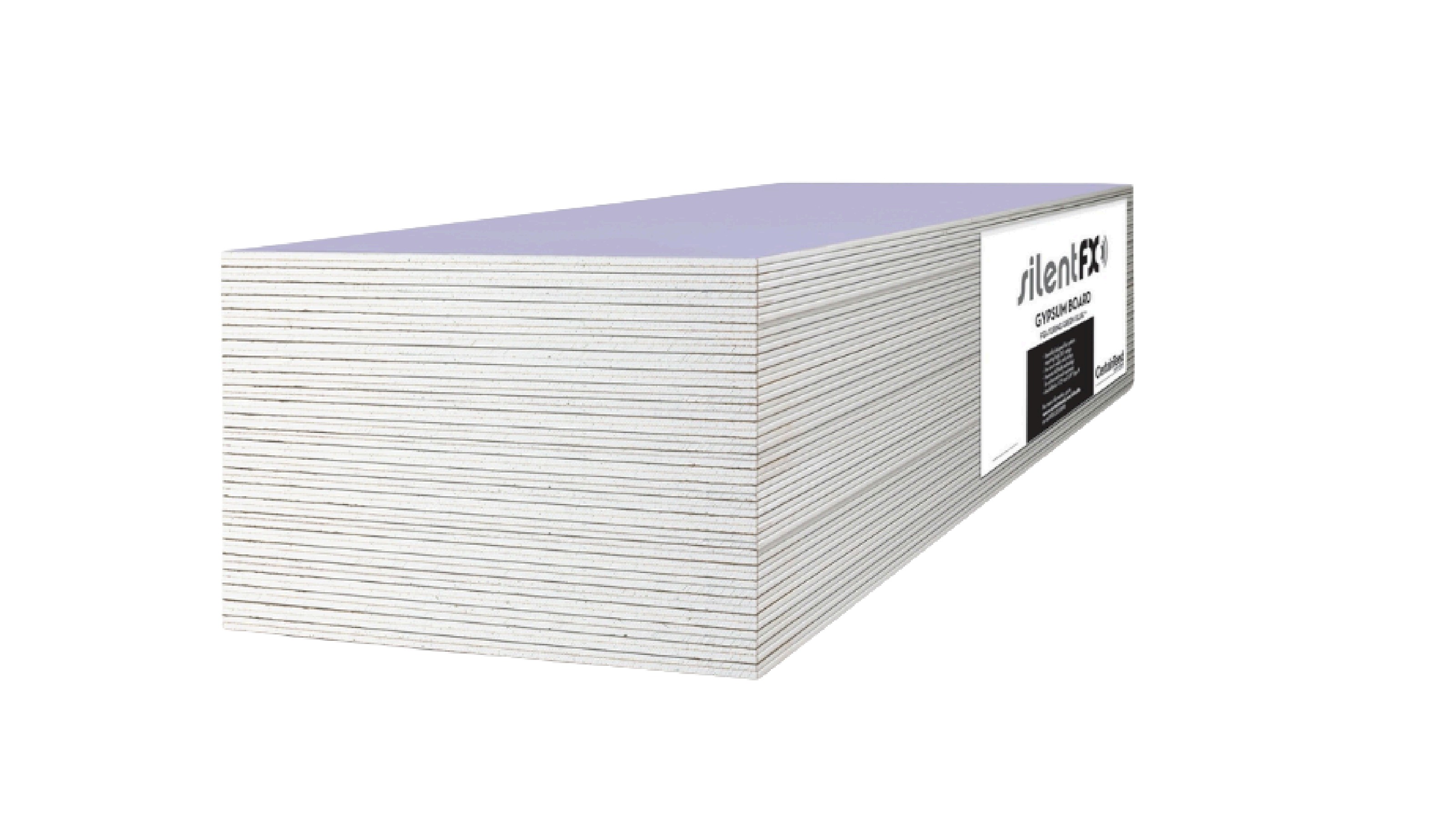
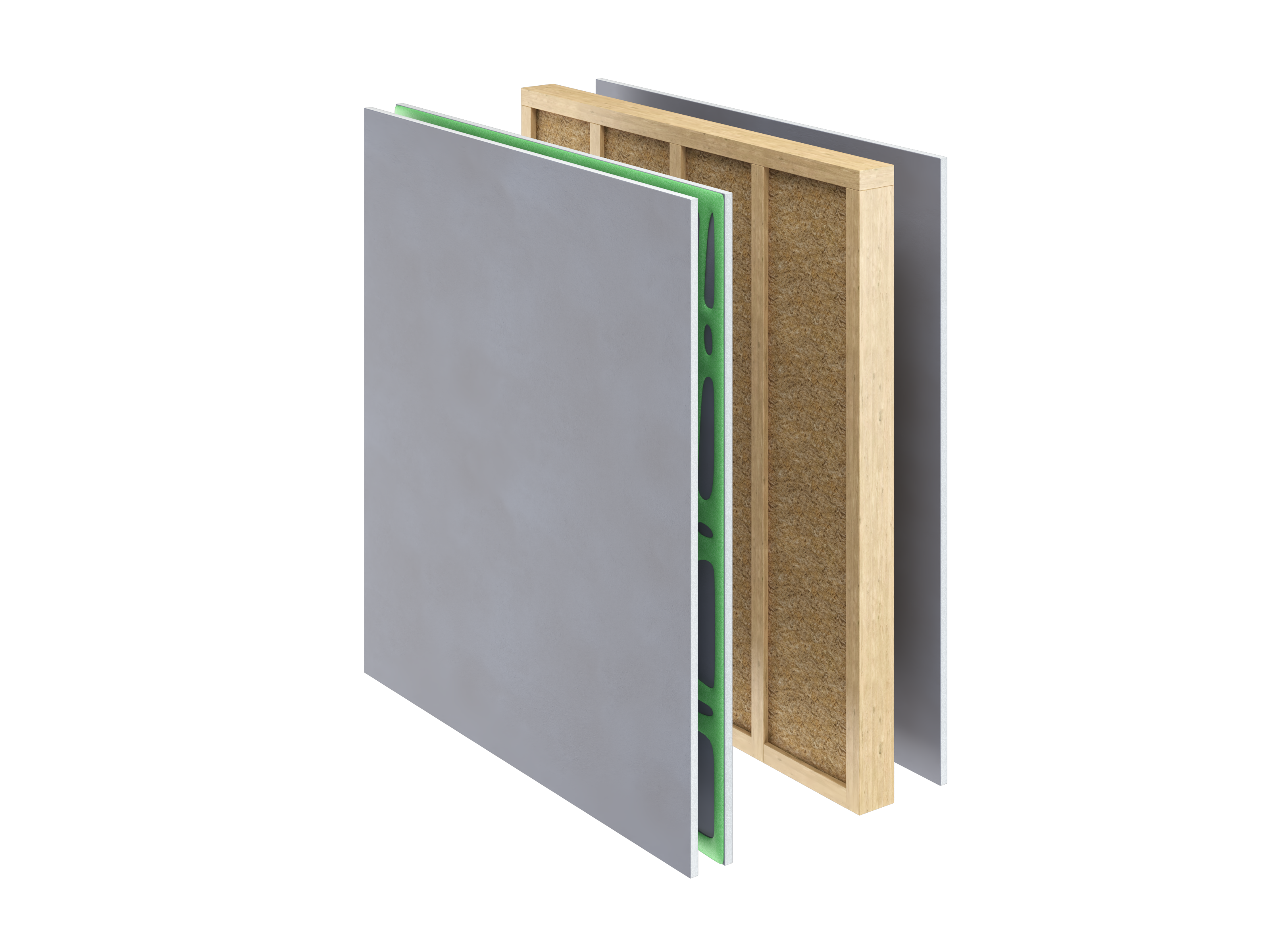
Regular Studs, Drywall Both Sides, Green Glue One Side
Approx. STC 52
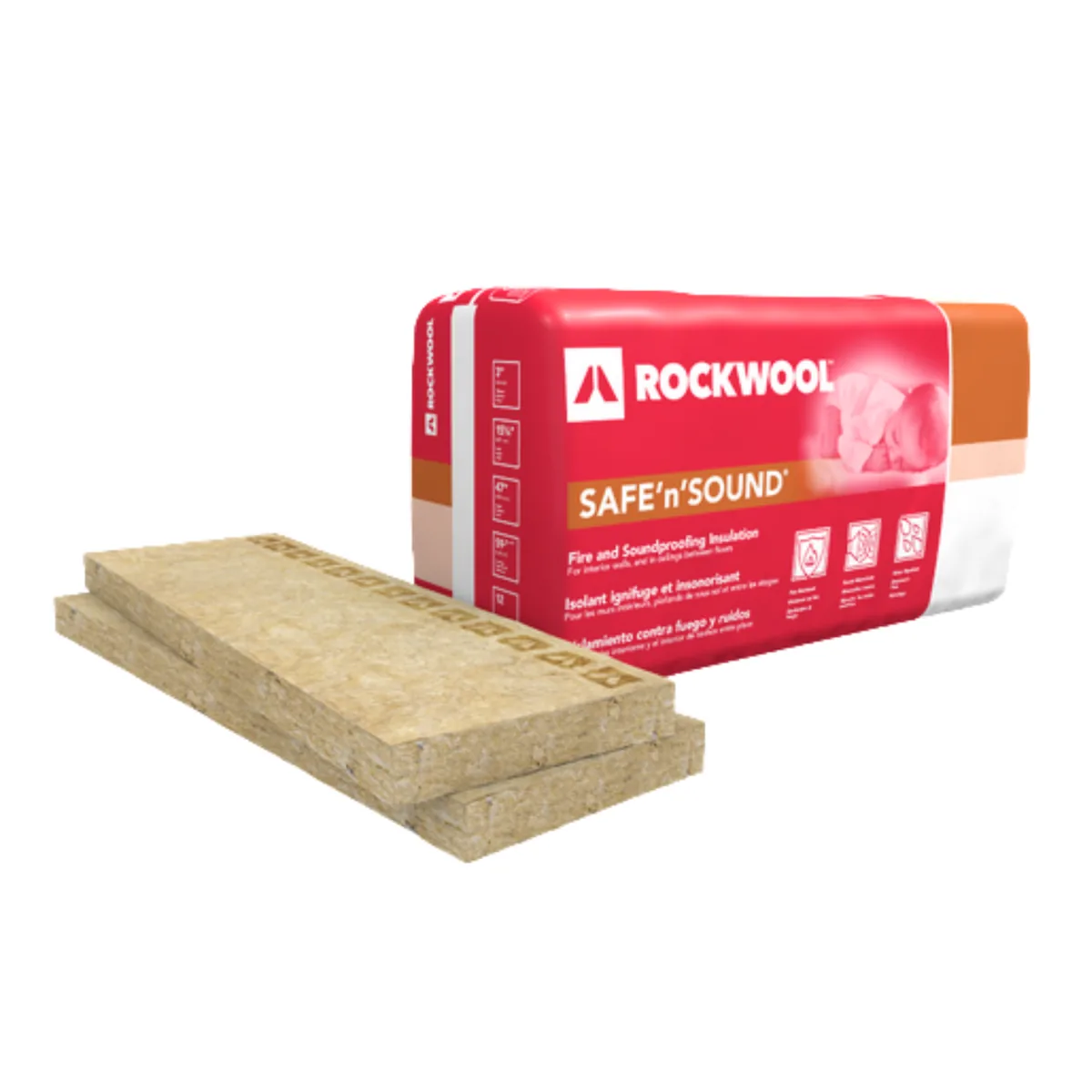
The entry-level upgrade for a standard wood-stud partition: insulate the cavity, then add a Green Glue damped double-drywall face on the noisy side.
Better
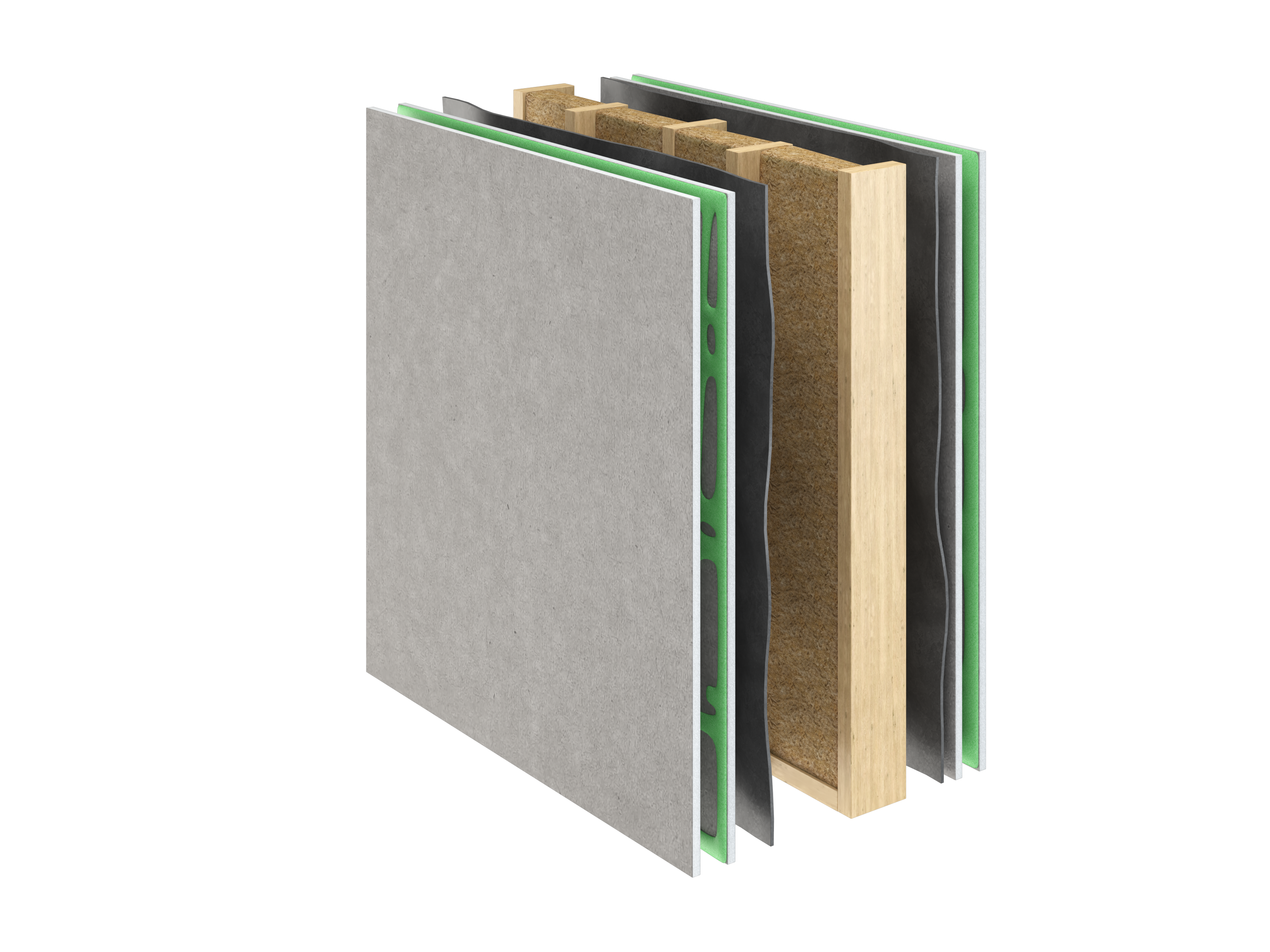
Staggered Studs, MLV and Green Glue on Both Sides
Approx. STC 60
Alternating studs on a wider plate mean no stud touches both faces, so the two sides of the wall are structurally separated.
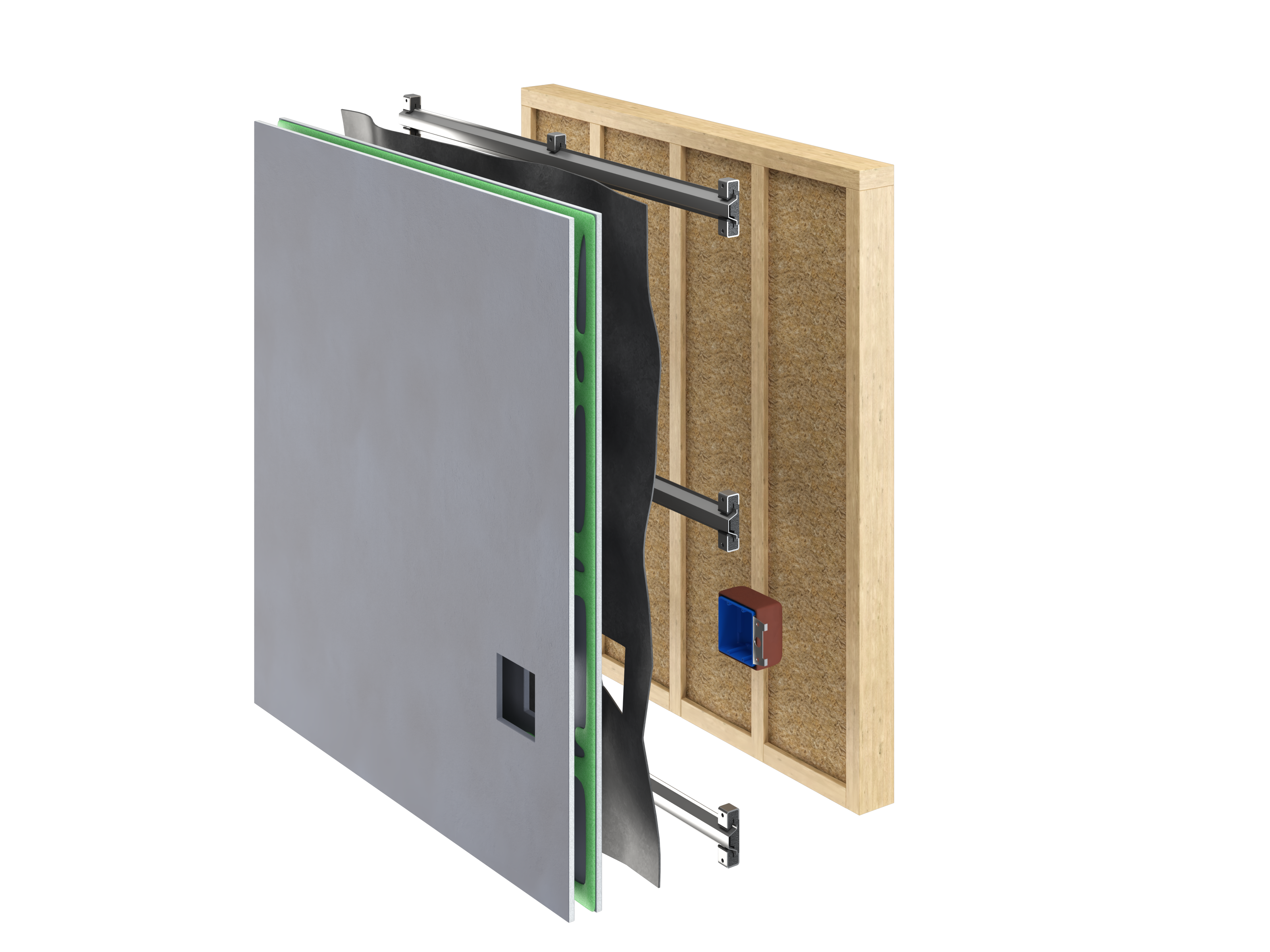
Best
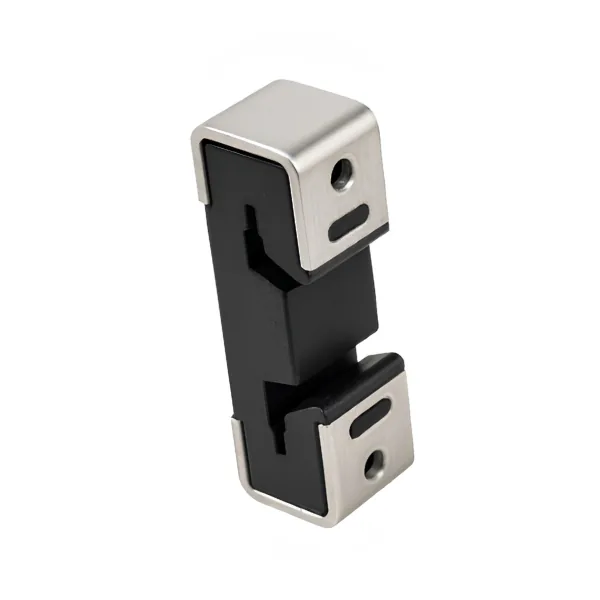
Regular Studs, Putty Pads, Isomax Clips, MLV, Green Glue
Approx. STC 62
Isomax clips give a low-profile decoupled face where wall thickness is tight, with MLV mass and Green Glue damping over insulated framing.
Step 03
Assembly calculator
Consultation appointments are booked Monday–Friday, 9am–5pm Pacific Time. Every estimate includes a full material list and assembly recommendation from our sound specialists — DIY-friendly if you prefer to build it yourself.
Sample estimate
Better Wall Soundproofing Assembly
Recommended for stronger voice, TV, office privacy, and general residential wall isolation.
Project area
180 sq. ft.
Estimated performance
STC 52–60
Estimated material cost
$2,072
Fundamentals
Core principles of soundproofing
Every assembly on this page combines these five principles. The tier you choose is really a decision about how many of them to layer in.
- 01
Mass
Heavier layers resist and obstruct sound passage.
- 02
Absorption
Insulation reduces and absorbs cavity resonance.
- 03
Damping
Green Glue converts vibration into trace heat, diminishing the wave.
- 04
Decoupling
Clips, channels, and separation break direct vibration transfer.
- 05
Sealing
Airtight gaps, seams, outlets, and perimeters block sneak paths.
Let’s get in touch
Not sure which assembly is right for your space?
Share your room dimensions and how the space is used — we’ll come back with a full material list, an assembly recommendation, and a realistic cost range. Free by phone.