PAC International IFB2
The PAC International IFB2 is a higher-density rubber Isolation Floor Block engineered for heavier point loads, thicker finish floors, and equipment-base isolation. It carries more weight per block than the IFB1 while keeping the isolator inside its rated deflection range, delivering a stable acoustic break under gyms, mechanical rooms, and multifamily plank floors.
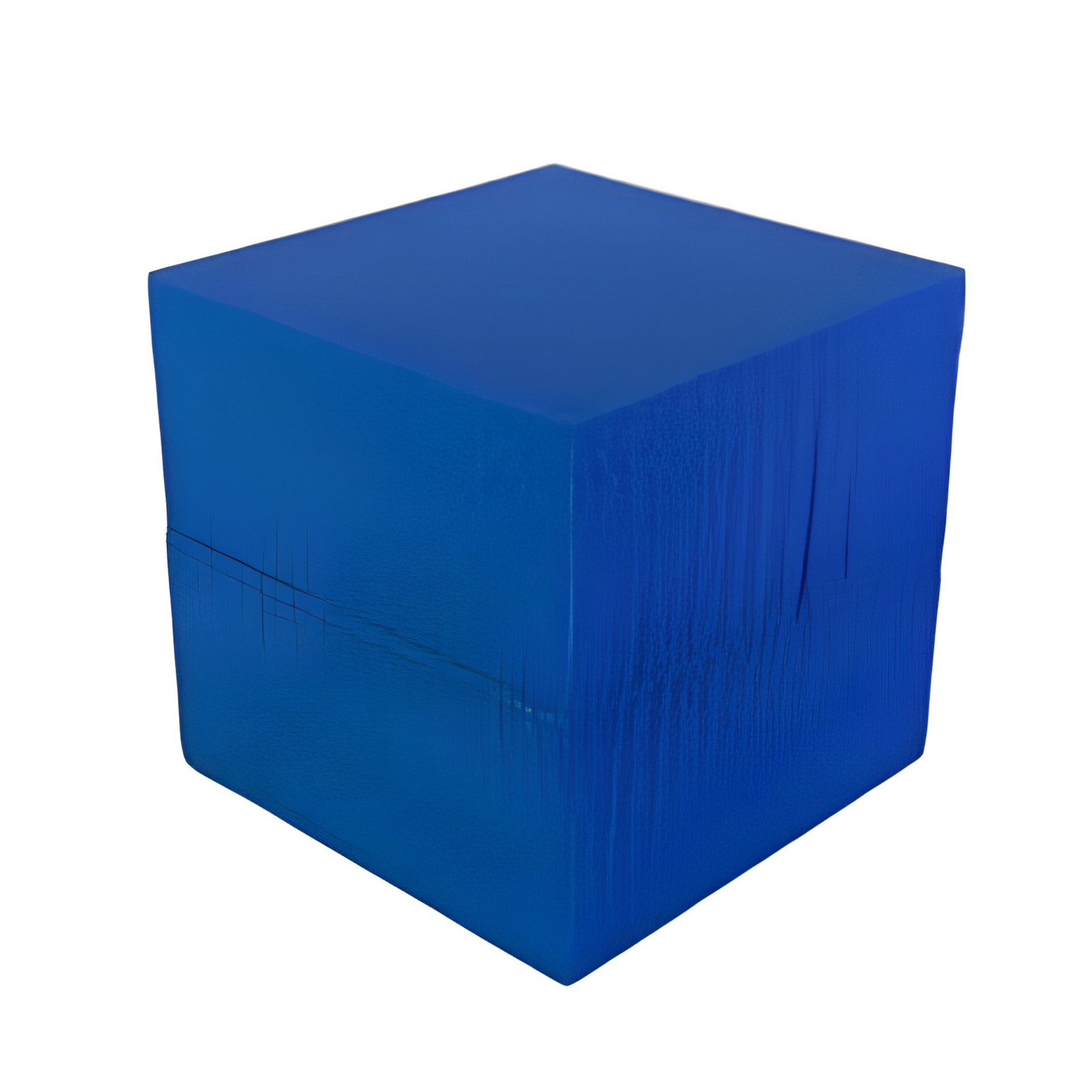
- High-Density Elastomer: Denser rubber compound tuned for heavier point loads without over-compressing — the right choice under thicker plank floors, gyms, and mechanical bases.
- Predictable Deflection: Holds a consistent working deflection across the loaded grid so the acoustic break stays effective through the floor's service life.
- Pairs With IFB1: Mix IFB1 and IFB2 across the same floor grid where load varies — heavier density under equipment or spans, standard density in typical rooms.
- Compact Buildup: Fraction of the height of a floating slab or full floating-floor cassette while still delivering a measurable IIC lift under high-load conditions.
Online orders up to 4,999 pieces. For anything larger, call (415) 864-4440 and we'll price the project with you.
Volume pricing
$12.25 per block. Order 250+ blocks and pay $12.10 per block — an extra $0.15 off per block for each additional 250 blocks, down to a $11.99 per block floor.
Discounts apply automatically in the cart and count boxes and cases toward the total.
IFB2 Specifications
- Block dimensions
- 2" × 2" × 2" cube
- Density options
- SD170 (80 lbs) · SD260 (116 lbs) · SD400 (172 lbs) · SD650 (240 lbs) per block
- Application
- Floor decoupling — heavy loads, thicker floors, equipment bases
- Isolation element
- Molded rubber pad (high-density)
- Layout
- Project-engineered grid — consult acoustic engineer
- Mounting
- Loose-lay under sleepers / subfloor — no fasteners through isolator
- Compatible finishes
- Wood, plank, concrete topping, tile-over-subfloor
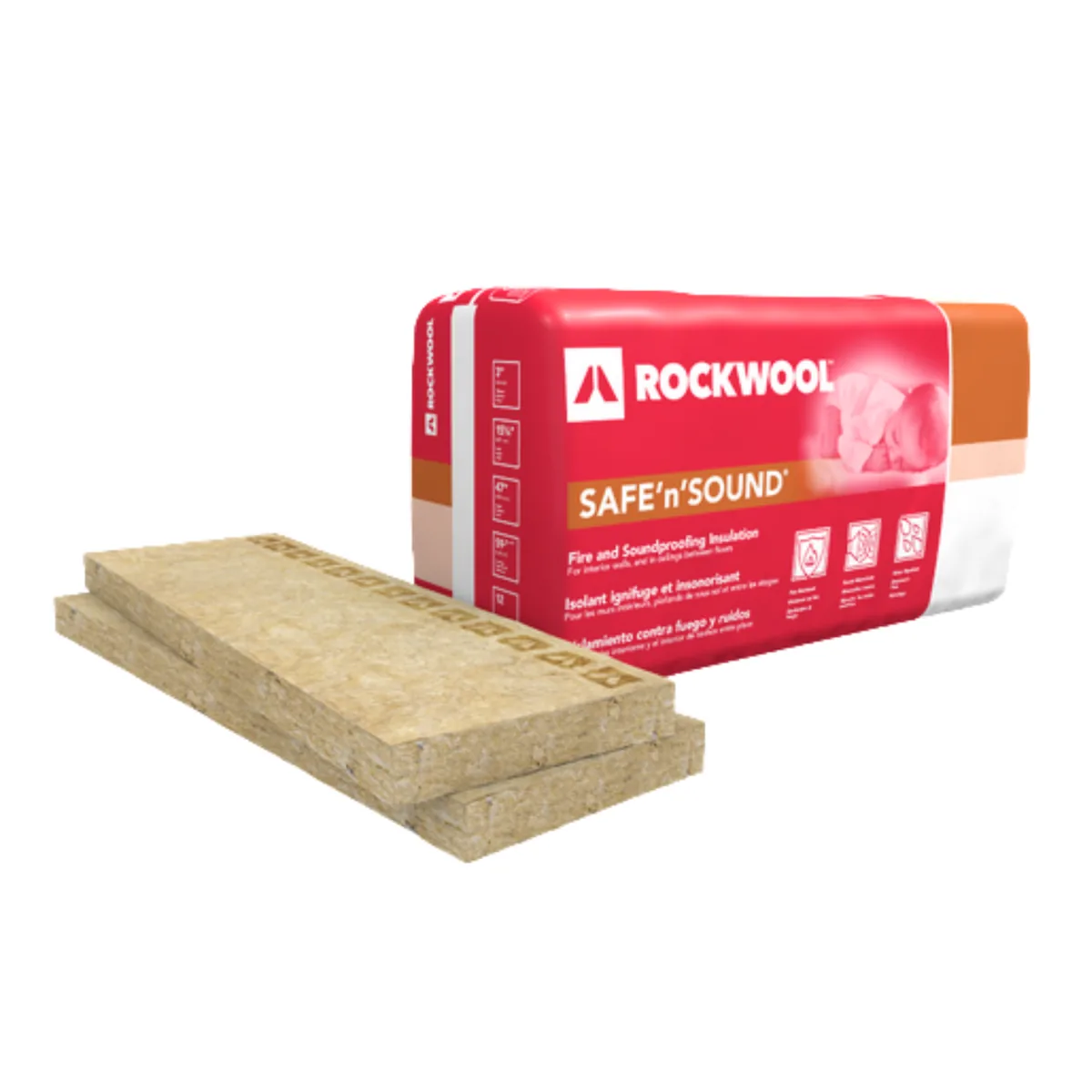
Rockwool Safe'N'Sound R11
- R-Value
- R-11
- Material
- Stone wool (basalt rock + recycled slag)
- Framing fit
- 2×4 stud and joist cavities, 16" or 24" o.c.
- Density
- Higher than standard fiberglass batt
- Fire performance
- Non-combustible, melting point ~2,150°F
- Water repellency
- Water-repellent, won’t support mold growth
- Install method
- Friction-fit; cut with a long serrated knife
- Coverage
- Approx. 60 sq ft per bag
IFB2 Project Calculator
Enter your surface square footage. We'll return a clip, channel, and screw count for your project — calculations run on our servers so estimates stay accurate as our field data improves.
- Rockwool insulation
- Direct-mount clips
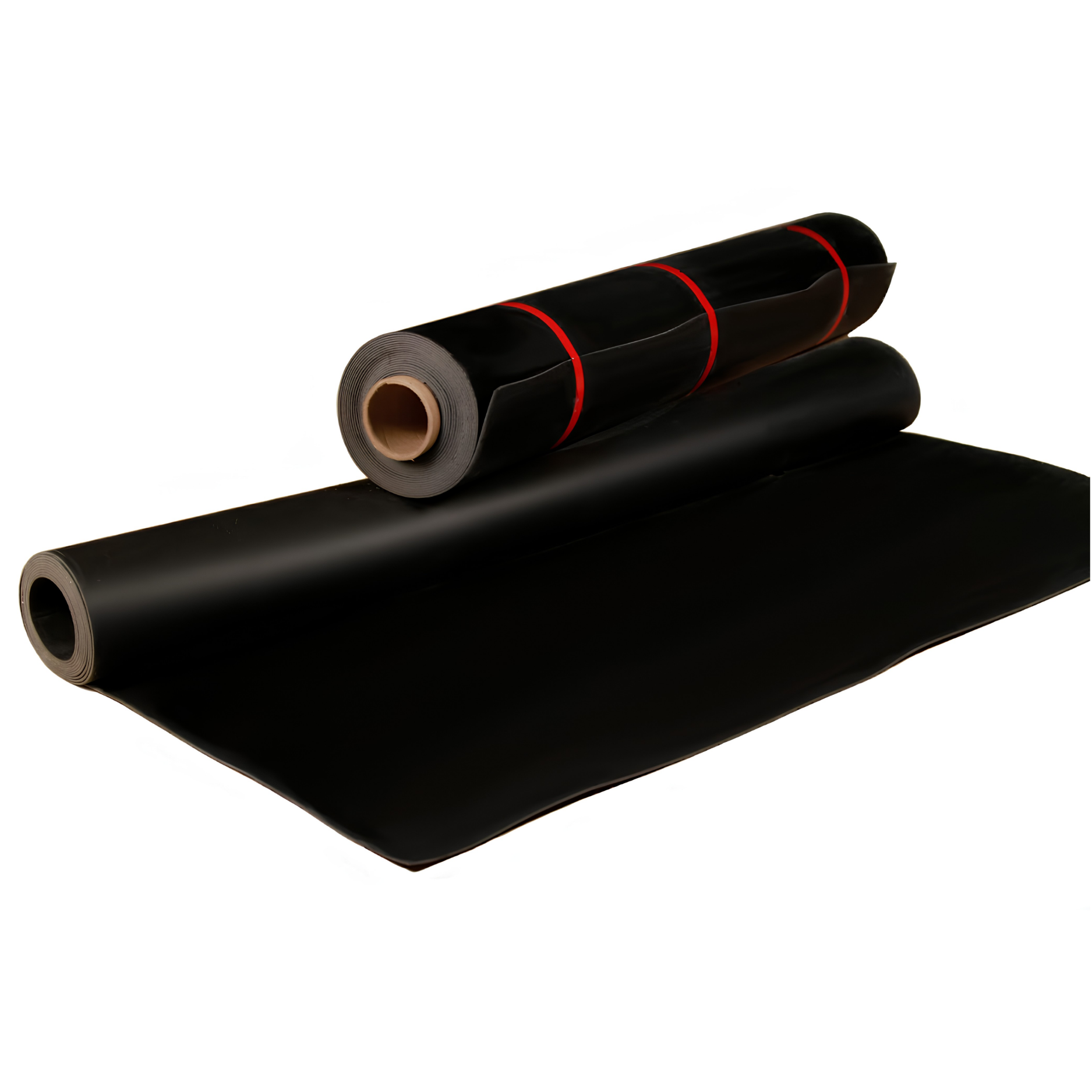
- Mass-loaded vinyl (MLV)
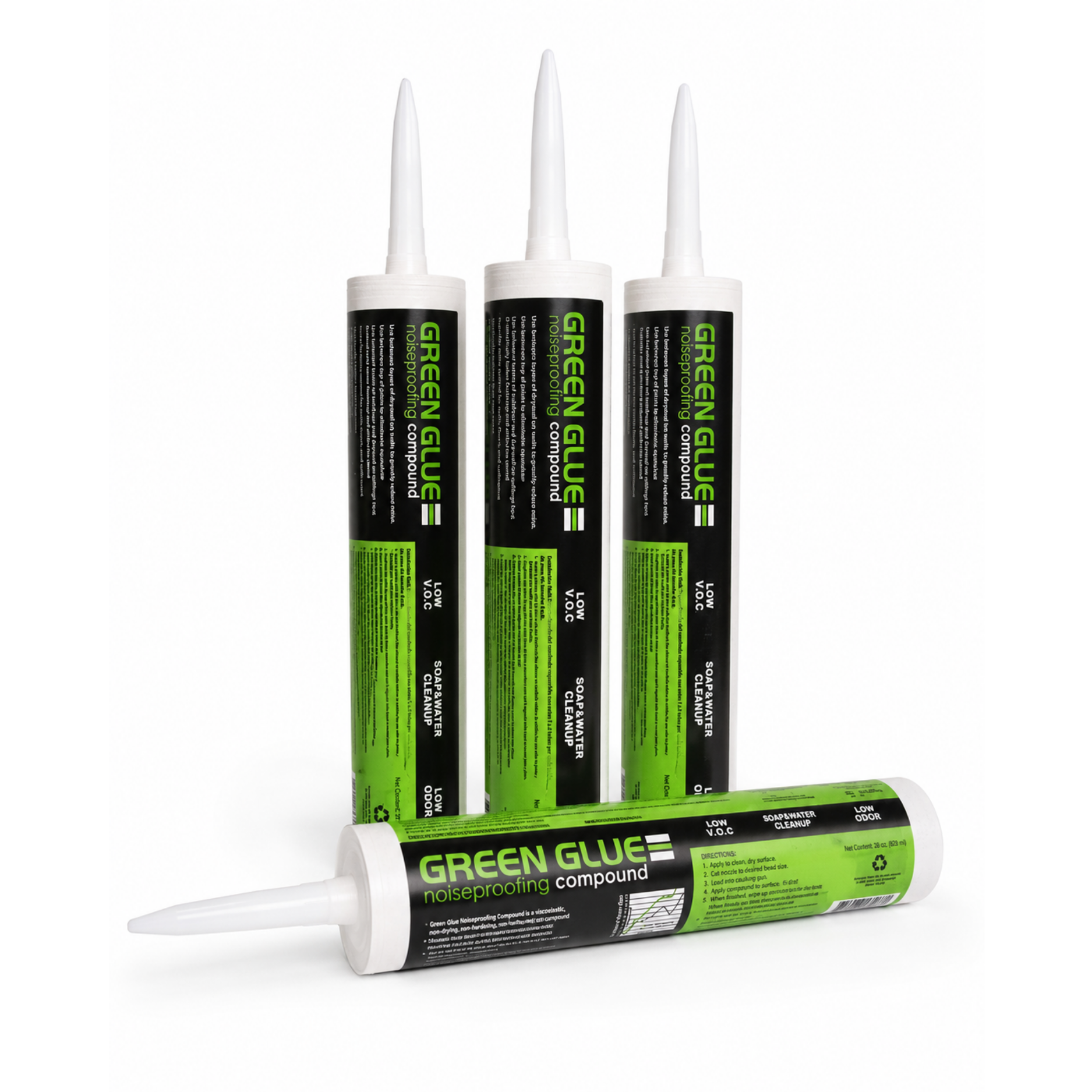
- Acoustic sealant
Adds MLV over Good for a denser limp-mass layer.
Estimated STC — Planning use only
This value is an approximate assembly projection, not a project-specific assessment, certified laboratory test result or performance guarantee. Actual performance varies with the complete assembly, installation, flanking paths, penetrations and site conditions.
Layout is project-engineered based on floor load and finish. Consult an acoustic engineer, then add a 10% coverage buffer for cuts and re-work.
IIC Gauge
Compare how the IFB2 performs across assembly tiers. Select an assembly below to see the IIC score.
IFB2 grid + Rockwool + MLV + concrete topping on structural deck.
- STC 30-39: Loud speech clearly audible next room.
- STC 40-49: Loud speech muffled — normal residential wall.
- STC 50-59: Loud speech barely audible; suitable for offices & multi-family.
- STC 60+: Approaches studio-grade isolation.
How IFB2 compares
| Model | Primary Use | Density | Typical Layout | Isolation Element |
|---|---|---|---|---|
| IFB2this | Floor decoupling — heavier loads / equipment | High-density | Project-engineered grid | Molded rubber pad (denser elastomer) |
| IFB1 | Floor decoupling — typical residential loads | Standard | Project-engineered grid | Molded rubber pad |
Applicable Assemblies
See where the IFB2 fits — from budget baseline to studio-grade isolation.
Best — IFB2 + Rockwool + MLV + Concrete Topping
Structural deck · IFB2 high-density blocks on engineered grid · Rockwool cavity · MLV underlay · concrete topping · finished floor · perimeter acoustic sealant.
Better — IFB2 + Sleepers + Double Subfloor + Green Glue
Structural deck · IFB2 high-density blocks · sleepers · double subfloor with Green Glue between layers · finished floor · perimeter acoustic sealant.
Good — IFB2 + Sleepers + Subfloor
Structural deck · IFB2 high-density blocks on engineered grid · sleepers · single subfloor · finished floor · perimeter acoustic sealant.