

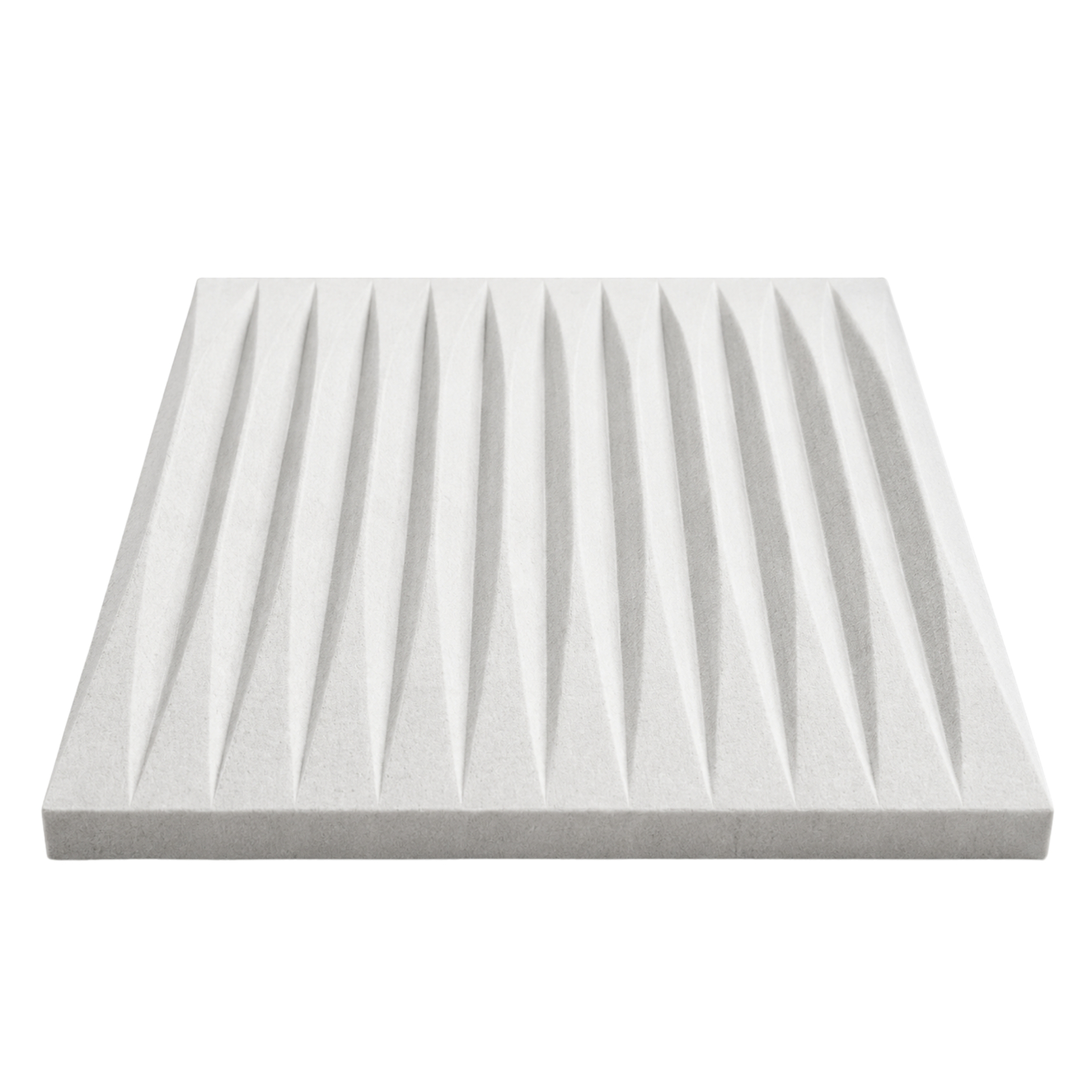
Designer Petal Panel
Curved petal relief — soft designer face for hospitality interiors.
The Designer Petal Panel introduces a curved, floral-inspired relief — an inviting acoustic treatment for hospitality, wellness, and residential spaces that benefit from softer visual language.
Send us the room dimensions and target reverb time — we’ll return a coverage plan and estimate.
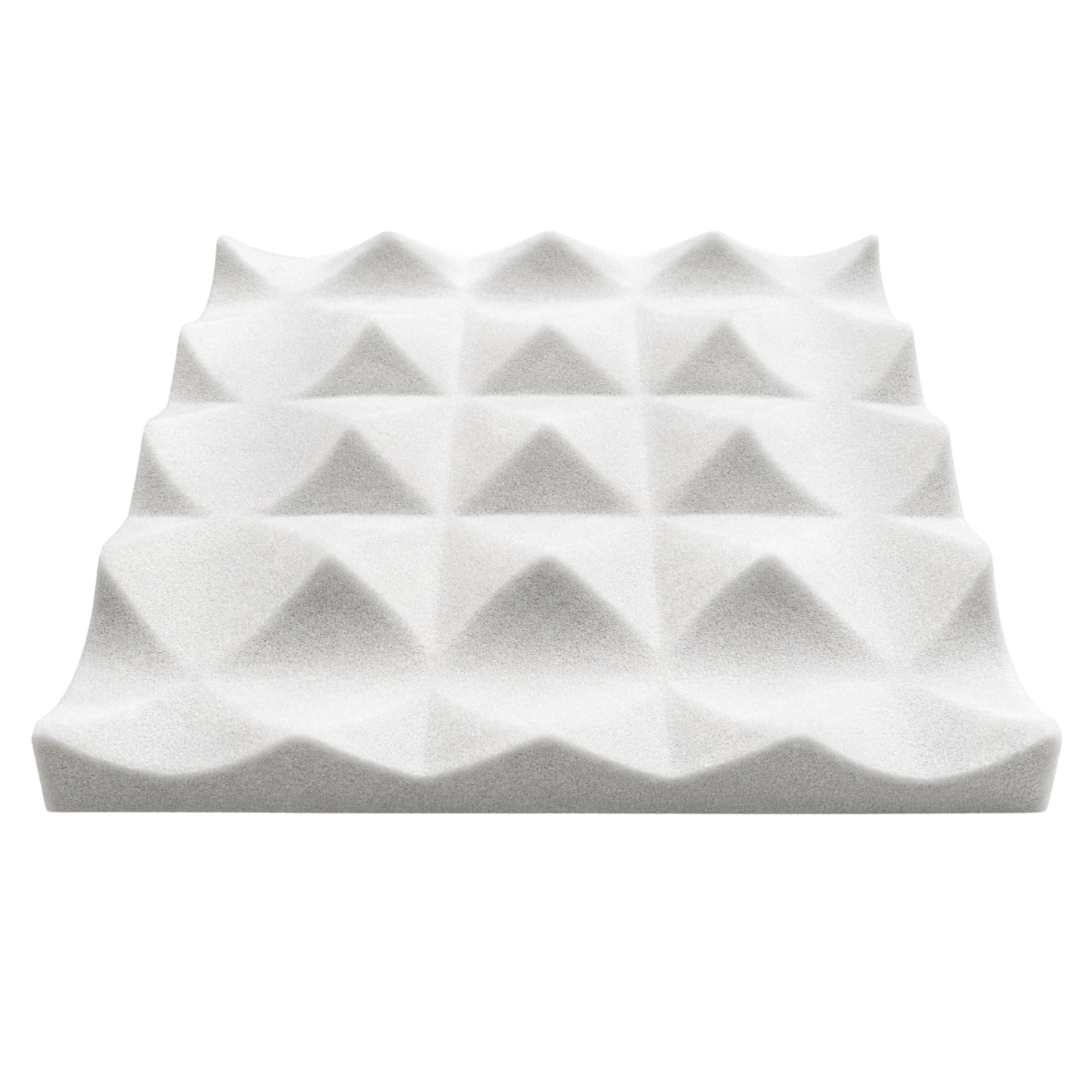
Why specify the Designer Petal Panel
- Reverb Control
Reduces flutter echo and reverberation for clearer speech and improved room clarity.
- Class A Fire Rated
Meets ASTM E84 Class A — safe for commercial, hospitality, and studio environments.
- Lightweight Install
Direct-mount to walls or suspended from ceilings with minimal hardware.
- Fiber-Free Core
Open-cell melamine foam is fiber-free and thermally stable — no shedding or airborne particulates.
NRC Gauge
Independent absorption testing on our melamine foam. NRC represents the average absorption from 250 – 2000 Hz — the range that carries most speech and music energy.
- SAA
- 0.78
- Mounting
- Type A
Absorption results tested in accordance with ASTM C423-09a — independent third-party acoustic lab report supplied by the manufacturer.
NRC = Noise Reduction Coefficient, the average of the 250, 500, 1000, and 2000 Hz absorption coefficients rounded to the nearest 0.05. SAA = Sound Absorption Average across twelve one-third-octave bands (200–2500 Hz). Mounting follows ASTM E795 (Type A = direct-to-hard-surface).
- NRC 0.00–0.30: Reflective surface — will not meaningfully reduce echo.
- NRC 0.30–0.60: Modest absorption — some reverb reduction.
- NRC 0.60–0.85: Strong absorption — noticeable clarity and comfort gains.
- NRC 0.85+: Studio / broadcast-grade absorption.
Higher NRC = more sound absorbed on impact. NRC only measures absorption within a room; it is not a soundproofing (transmission-loss) rating.
| Finish | Thickness | 125 Hz | 250 Hz | 500 Hz | 1000 Hz | 2000 Hz | 4000 Hz | SAA | NRC | Mount |
|---|---|---|---|---|---|---|---|---|---|---|
| White | 1.50" | 0.17 | 0.28 | 0.84 | 0.99 | 1.03 | 1.04 | 0.78 | 0.80 | A |
| 2.00" | 0.23 | 0.48 | 1.08 | 1.19 | 1.16 | 1.11 | 0.97 | 1.00 | A | |
| 3.00" | 0.45 | 0.87 | 1.26 | 1.07 | 1.06 | 1.10 | 1.05 | 1.05 | A | |
| Light Grey | 1.50" | 0.17 | 0.28 | 0.86 | 0.99 | 1.02 | 1.02 | 0.79 | 0.80 | A |
| 2.00" | 0.20 | 0.51 | 1.05 | 1.05 | 1.03 | 1.05 | 0.91 | 0.90 | A | |
| 3.00" | 0.36 | 0.90 | 1.24 | 1.04 | 1.02 | 1.09 | 1.05 | 1.05 | A | |
| ObsidianOfficial test results pending; performance expected to align with our light grey melamine foam. | 1.50" | 0.17 | 0.28 | 0.86 | 0.99 | 1.02 | 1.02 | 0.79 | 0.80 | A |
| 2.00" | 0.20 | 0.51 | 1.05 | 1.05 | 1.03 | 1.05 | 0.91 | 0.90 | A | |
| 3.00" | 0.36 | 0.90 | 1.24 | 1.04 | 1.02 | 1.09 | 1.05 | 1.05 | A |
Product Specs
- Panel size
- 24" × 24" (610 × 610 mm)
- Thickness
- 1.5", 2", or 3" nominal (custom sizes on request)
- NRC
- 0.80 – 1.05 (thickness dependent)
- Material
- Flexible Open-Cell Melamine Foam
- Density
- Light Grey 0.56 ± 0.09 lb/ft³ · Natural 0.47 ± 0.13 lb/ft³
- Service temperature
- -40°F to 350°F
- Fire rating (Light Grey)
- ASTM E84 Class A · Flame Spread 10 / Smoke Developed 55
- Fire rating (Natural)
- ASTM E84 Class A · Flame Spread 5 / Smoke Developed 20 · CAN/ULC S102 · Flame Spread 0 / Smoke Developed 30
- Mounting
- Z-clips or impaling clips (Type A)
- Best use
- Hospitality, wellness, and residential — soft designer face
Install guide
Downloads & documentation
Manufacturer datasheets, install instructions, fire-rating test summaries, and certifications for the Designer Petal Panel.
Includes 6 technical PDFs.
- Data SheetPDFBasotect® B Technical Information Sheet
Manufacturer data sheet for Basotect® B melamine foam.
Download PDF - Data SheetPDFBasotect® G Technical Information Sheet
Manufacturer data sheet for Basotect® G melamine foam.
Download PDF - Data SheetPDFASTM E-84 Test Summary — Natural White Melamine
Class A fire test summary — Natural finish.
Download PDF - Data SheetPDFASTM E-84 Test Summary — ATC Coating
Class A fire test summary — ATC coating.
Download PDF - Data SheetPDFAcoustic Foam Cleaning Instructions
Care and maintenance guide for melamine foam panels.
Download PDF - Data SheetPDFBuy America Certification
Compliance certification for federally funded projects.
Download PDF
Frequently asked
- Do acoustic panels soundproof a room?
No — these panels absorb sound within a room to reduce echo, reverberation, and flutter. Blocking sound between rooms is a separate problem solved with mass, decoupling, and damping (see our Soundproofing Materials).
- What thickness should I choose?
Use 2" for general echo control in speech-range rooms, 3" for balanced broadband absorption, and 4" (or deeper wedge/pyramid profiles) when stronger low-mid response matters — home theaters, studios, and reference rooms.
- How many panels do I need for my room?
Coverage depends on room size, surface reflectivity, and target reverb time. A common starting point is 15–35% of the reflective surface area. Send us dimensions and use case and we'll return a coverage plan.
- Where do panels install best?
First-reflection points on the walls closest to speakers or the sound source, opposite the seating position, plus the ceiling directly above the listener. Corners and boundaries are for bass traps, not panels.
- Can these be mounted on any surface?
Yes — drywall, wood, concrete, and metal all work. Use adhesive, impaling clips, Z-clips, or cable suspension depending on the panel weight and finish requirements.
Related products
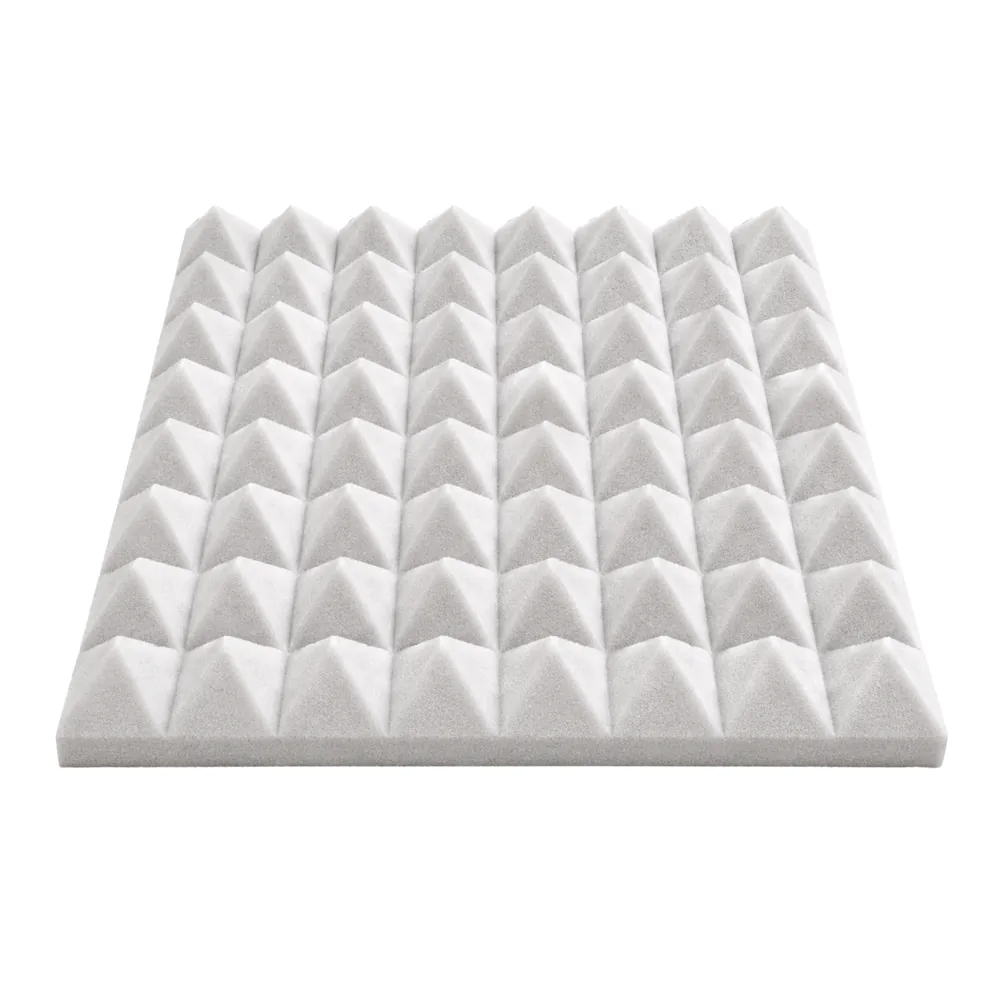 Pyramid Acoustic PanelContact for Pricing
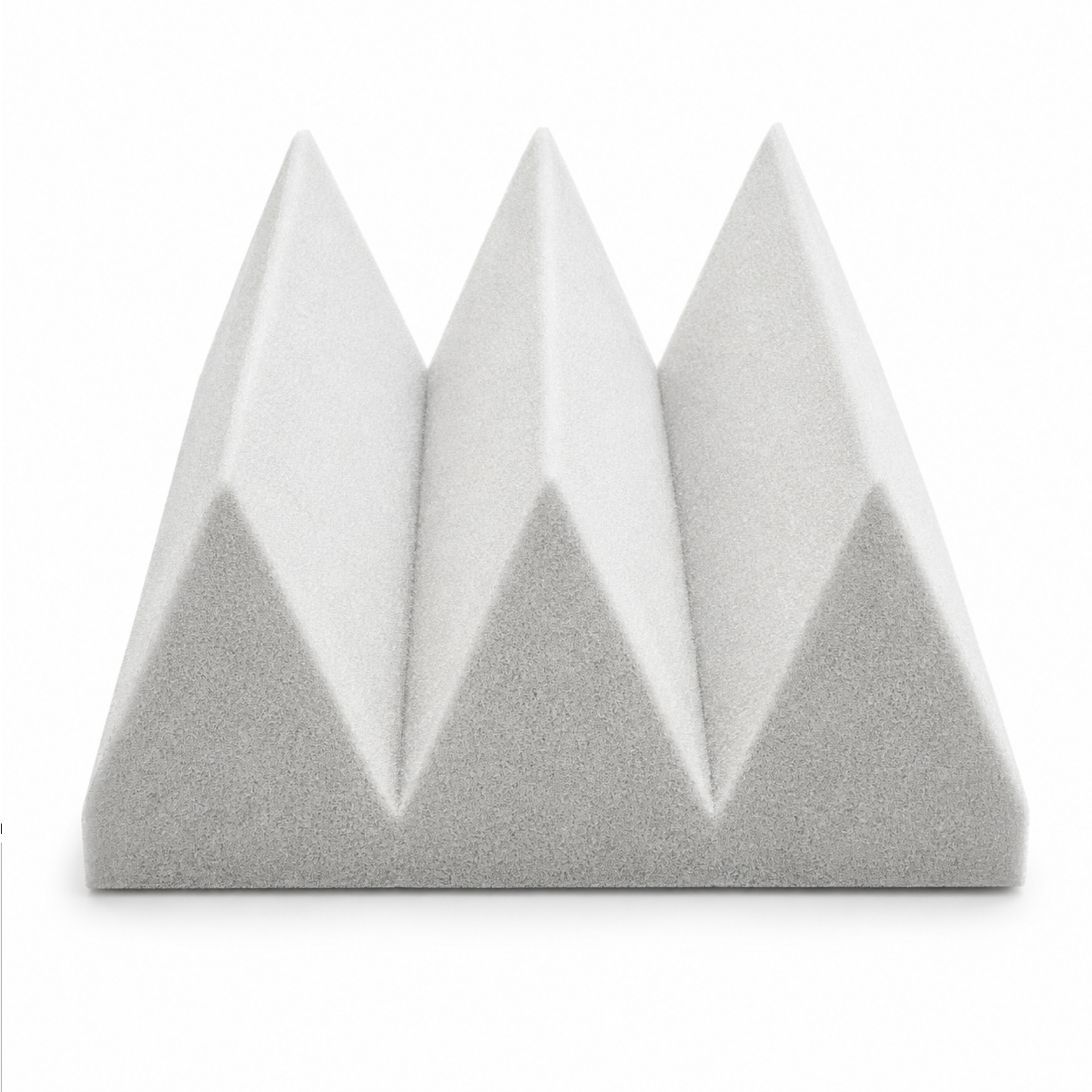 3-Point Wedge Acoustic PanelContact for Pricing
 Flat Acoustic PanelContact for Pricing
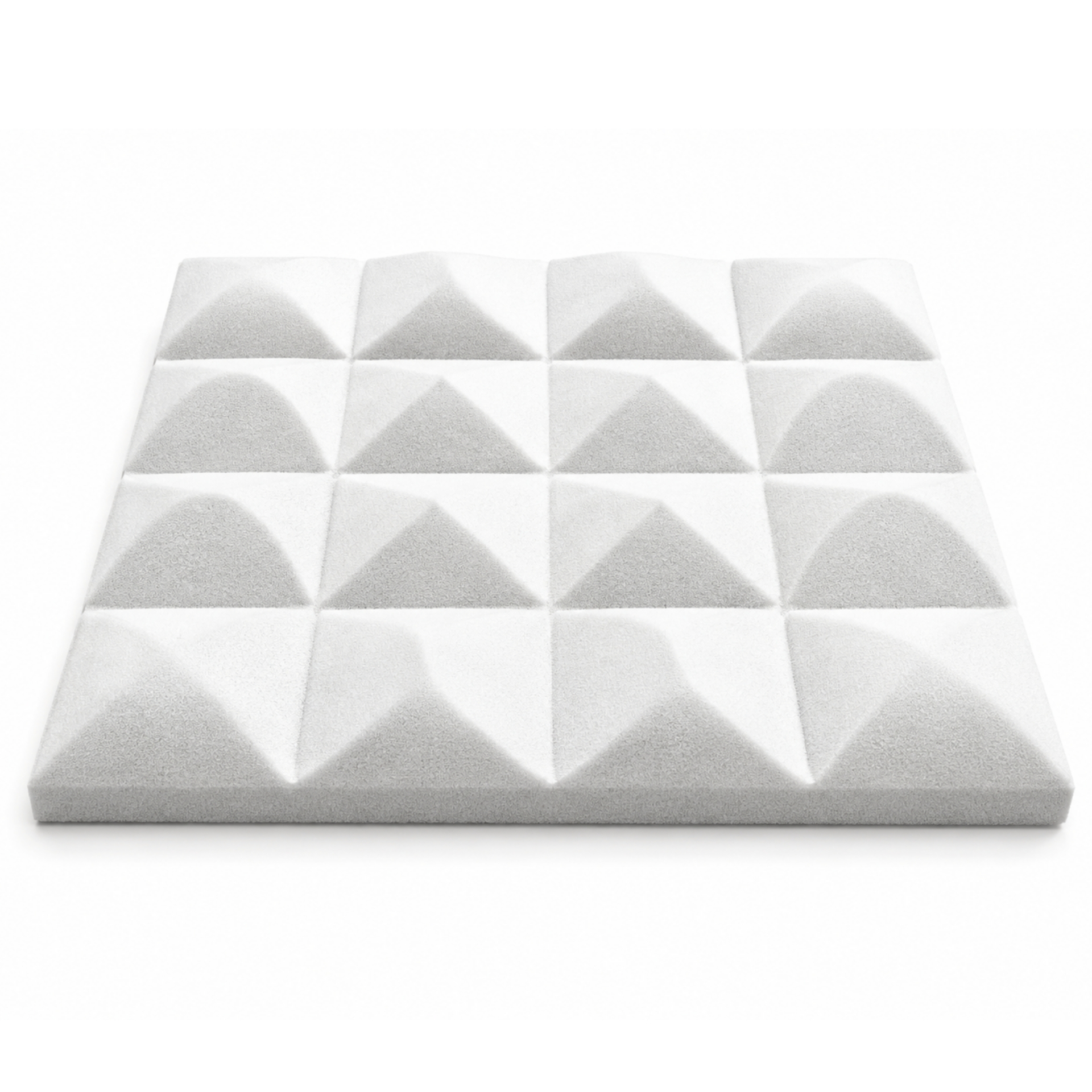 Apex Acoustic PanelContact for Pricing
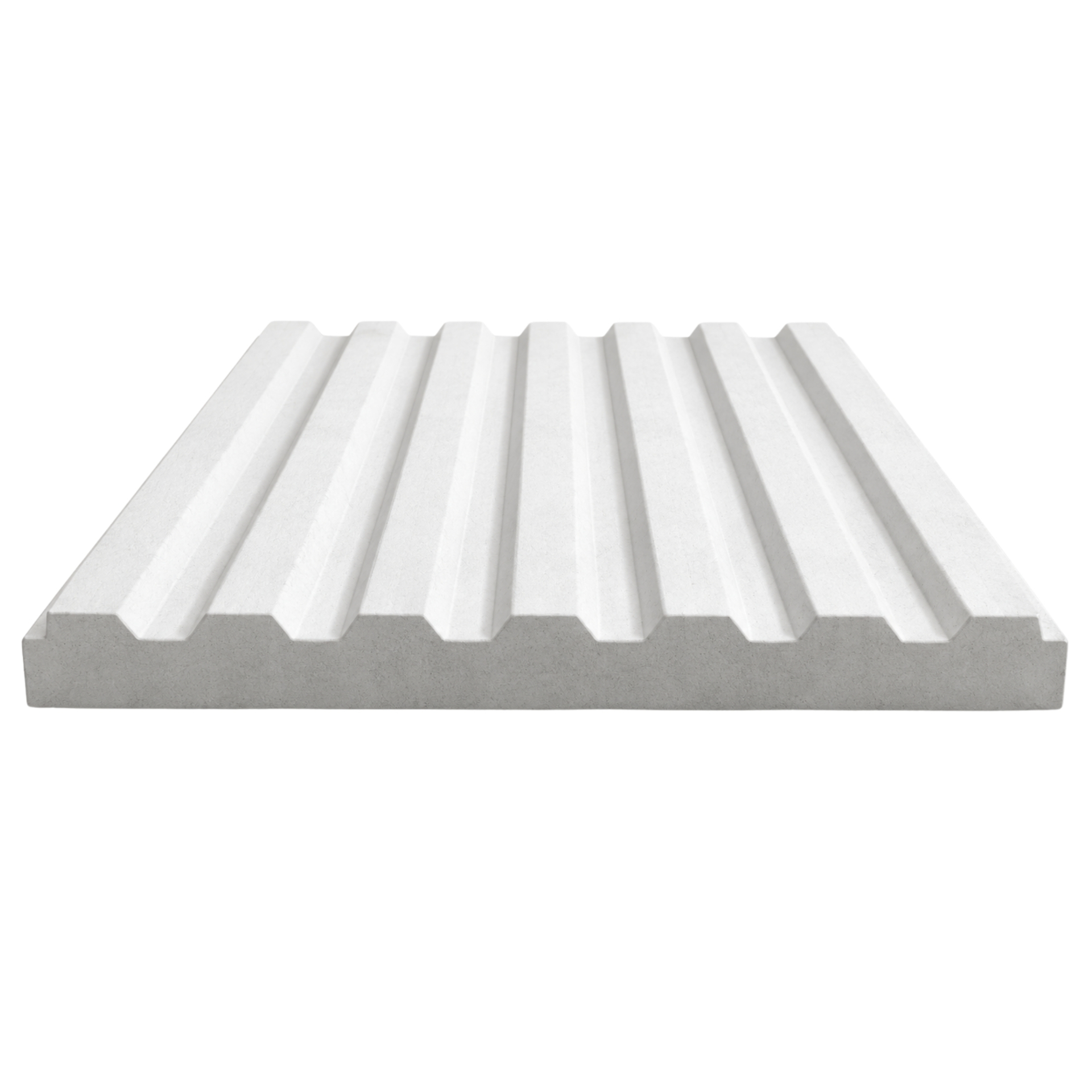 Corrugated Acoustic PanelContact for Pricing
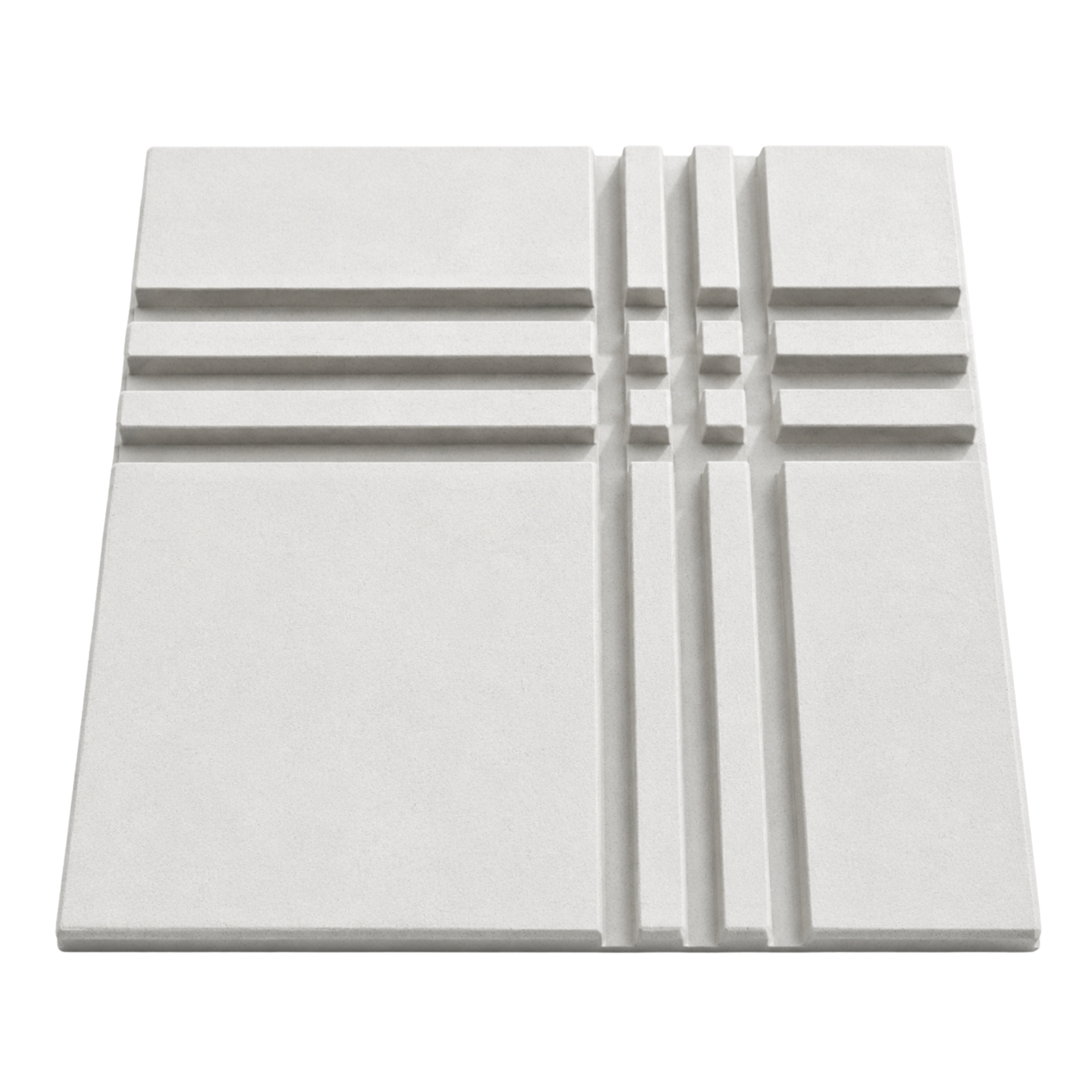 Crossroads Designer PanelContact for Pricing
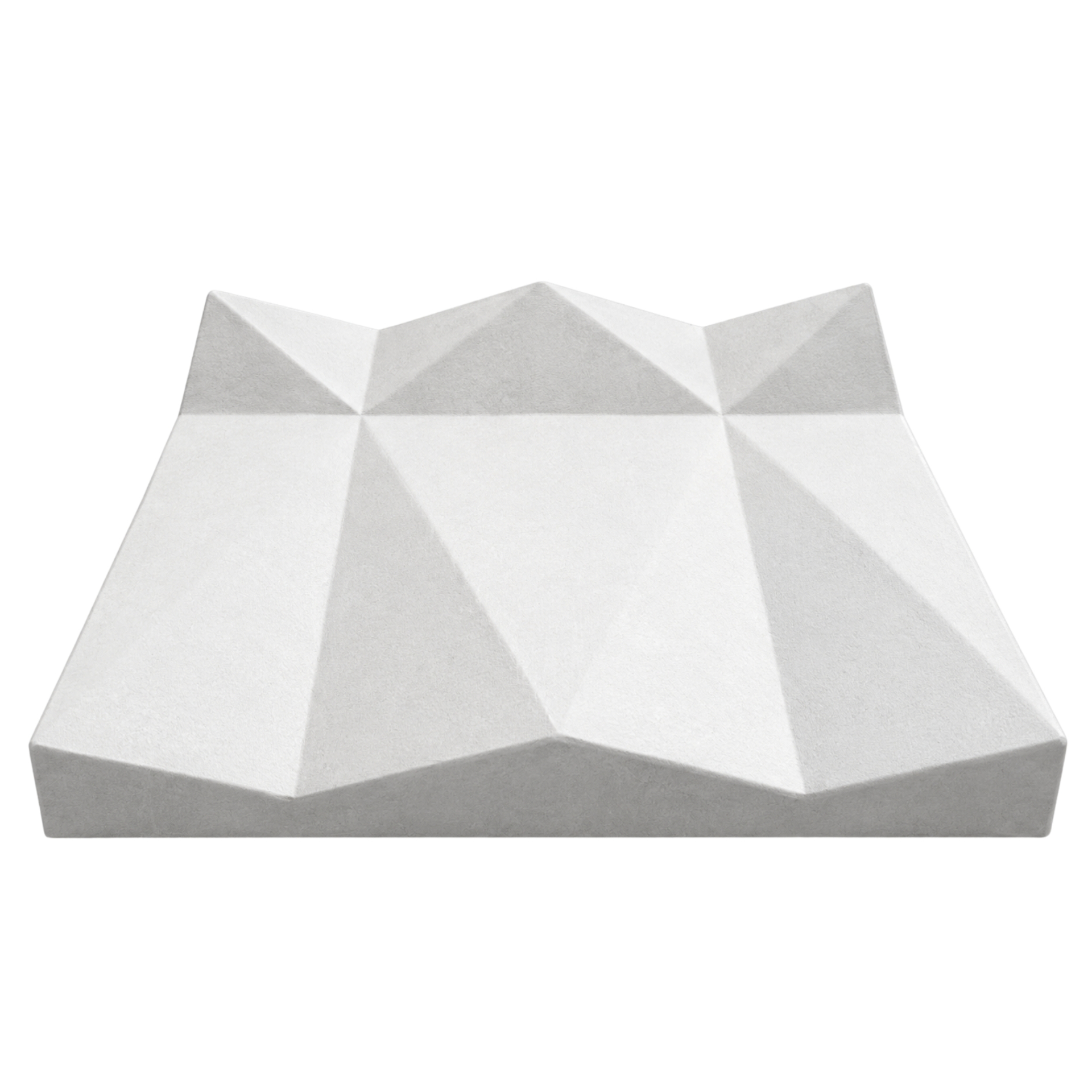 Crown Designer PanelContact for Pricing
 Designer Gil PanelContact for Pricing
Not sure how many you need?
Share the room dimensions and how the space is used — we’ll return a treatment plan with panel count, placement, and product mix targeted to your reverb-time goal.